Scratchcards are instant-win games based on the paper tickets sold in shops. In the digital version, a card is covered by panels, you reveal them, and a prize is paid when the revealed symbols form a winning combination. Most questions about this game come down to three points: which versions exist, how prizes are paid and how the format differs from live games. The sections below cover each one.
Common variants of scratchcards
Digital scratchcards come in many themes, and each variant is a separate game with its own symbols, prize levels and features. The table above lists the common variants and the providers that make them. Some titles, such as Monopoly Scratchcard, are built on a well-known theme, while others use a simple match-the-symbols grid.
Variants differ in layout. Some reveal a fixed number of panels, some use a grid of numbers, and some add a multiplier or bonus panel after the reveal. The same symbol can pay a different amount in two variants, so the rules of each version matter more than its name.
Providers vary as well. Two studios may use different mechanics for the same kind of card, so compare the paytable of each variant rather than assuming it works like the last one you played.
Before you play, check which variants Captain Cooks Casino offers and read the paytable of the one you open. If you prefer reel games, the slots section covers a different format.
How a scratchcard round works

A round starts when you buy a card and reveal its covered areas. The result is decided by a random number generator when the round starts. Scratching only shows that result, so revealing the panels faster or slower does not change the prize.
Most scratchcards pay on a winning pattern, such as a set number of matching symbols or a symbol that appears in a bonus panel. The paytable lists each combination and the prize it pays, so it is the first place to check. Each variant sets its own combinations, so the same symbol can mean different things in different games.
Some variants add features such as multipliers, extra panels or an extra reveal. Their rules are usually in the game information. Reading them before you buy shows which symbols count.
Each card is independent. Earlier cards do not change the odds of the next one, and a run of wins or losses does not predict the next result.
19+ · T&Cs apply
RNG scratchcards and live casino games
A digital scratchcard is an RNG game. Software and a random number generator decide the outcome, and the screen shows the result as you reveal the panels. No dealer or other player takes part in the round.
A live dealer game is streamed from a studio. A real dealer runs the table, and the cards, wheel or dice are handled in view of the camera. The result is still set by the game's rules and equipment, but you can watch the process as it happens.
The main practical difference is pace. A scratchcard round is quick, while a live table waits for the dealer, the other players and the end of each round.
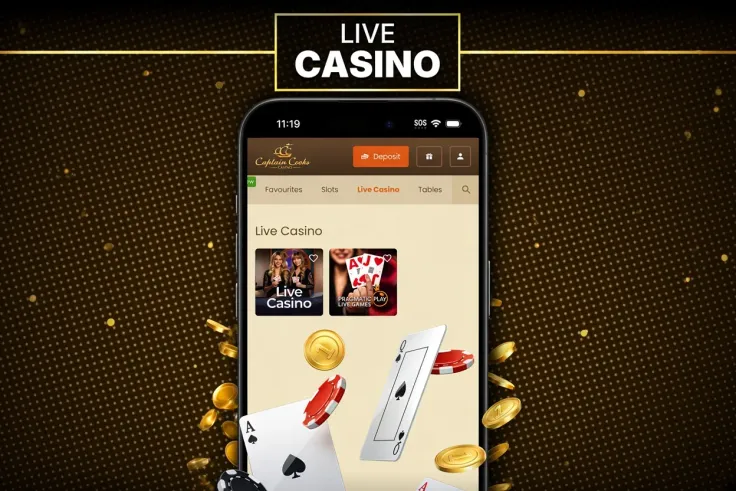
Captain Cooks Casino offers live casino games, so you can compare the two formats on the live casino page.
Practical tips before you play
Read the paytable and any feature rules before you buy a card, so you know which combinations pay. Set a budget before you start, decide on a limit and stop when you reach it. Choose a stake you are comfortable losing, because the stake does not change the odds of any card.
Betting systems such as doubling the stake after each losing card do not change the odds of the next card, so they cannot be used to win. A larger stake only raises the amount you can lose.
If you usually play on a phone, check the mobile version before you start. For limits and help, see the safer gambling page.